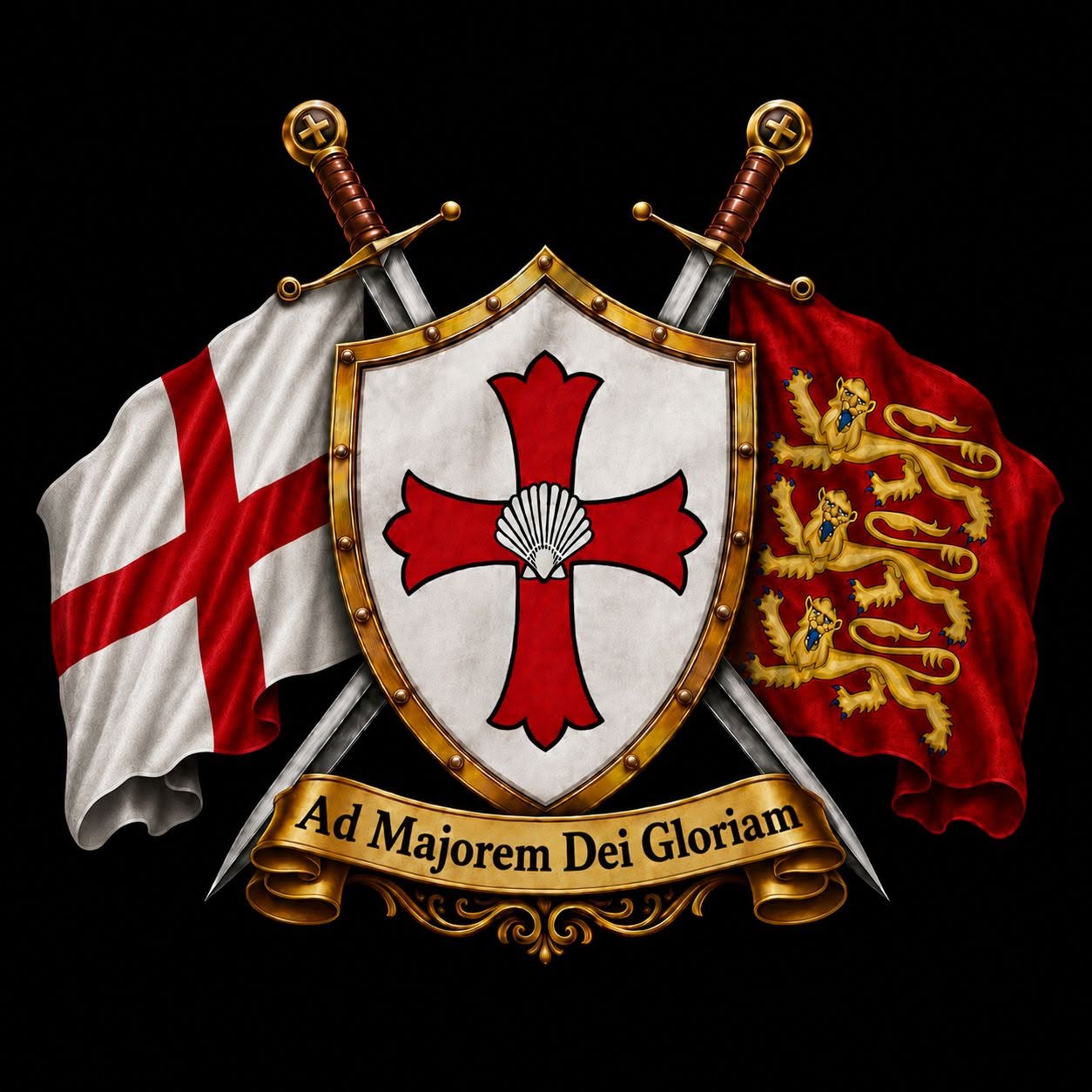
Knighthood in the UK: The Evolution of Chivalric Orders
The tradition of knighthood in the UK represents one of the most enduring symbols of honour, duty, and service in British history. From the medieval battlefields of England to the ceremonial investitures held by the British monarchy today, knighthood has continually evolved while preserving its core values of courage, loyalty, and public service.
Throughout the centuries, numerous chivalric orders have emerged across the British Isles. Some were founded by monarchs to reward military excellence, while others were established by religious communities dedicated to caring for pilgrims, protecting the vulnerable, and promoting Christian values. Among these historic institutions, the Hospitallers of St Thomas of Canterbury occupy a distinctive place, reflecting the close relationship between faith, charity, and chivalry in medieval Britain.
The Origins of Knighthood in the UK
The roots of knighthood in the UK can be traced back to the Norman Conquest of 1066. During the medieval period, knights were heavily armed horsemen who served their feudal lords in exchange for land, protection, and social status. However, becoming a knight involved much more than military skill.
Young noblemen underwent years of training as pages and squires before participating in a formal dubbing ceremony. They were expected to embrace the ideals of chivalry, including bravery, honesty, courtesy, generosity, and devotion to both God and sovereign.
As medieval society developed, knighthood gradually transformed from a military obligation into a prestigious honour associated with noble conduct and public service.
The Rise of Chivalric Orders
By the twelfth and thirteenth centuries, chivalric orders had become increasingly influential throughout Europe and England. These organisations united knights under shared religious, military, or charitable objectives.
Many knightly orders combined spiritual commitment with practical service. Members often took religious vows while protecting pilgrims, defending Christian territories, or establishing hospitals for travellers and the poor.England became home to several significant orders, each contributing to the development of British chivalric tradition.
The Hospitallers of St Thomas of Canterbury
Among the lesser-known yet historically significant organisations associated with knighthood in UK were the Hospitallers of St Thomas of Canterbury.
The order originated during the late twelfth century following the martyrdom of Saint Thomas Becket, Archbishop of Canterbury. Initially established to assist English pilgrims travelling to the Holy Land, the order combined charitable healthcare with religious devotion.
Members operated hospitals and provided shelter, food, and medical assistance to pilgrims undertaking dangerous journeys across the Mediterranean. Their mission reflected the medieval understanding that true knighthood extended beyond warfare to include compassion, mercy, and care for those in need.
The Hospitallers of St Thomas of Canterbury also demonstrated the uniquely English contribution to the wider tradition of military and hospitaller orders. While they never achieved the same prominence as larger international organisations, their commitment to charity and Christian service earned lasting historical recognition.
Their legacy continues to illustrate how chivalry in Britain embraced both martial responsibility and humanitarian values.
Other Influential Orders of Knighthood
The history of knighthood in the UK includes several distinguished orders that have shaped Britain's ceremonial and constitutional traditions.
The Order of the Garter
Founded in 1348 by King Edward III, the Order of the Garter remains the highest and most prestigious order of chivalry in England. Membership is limited and awarded personally by the Sovereign in recognition of exceptional public service or outstanding contributions to the nation.
The Order of the Bath
Originally associated with medieval ceremonies of purification before knighthood, the Order of the Bath was formally established in 1725. It honours distinguished military officers and senior civil servants whose service has significantly benefited the United Kingdom.
The Order of St Michael and St George
Established in 1818, this order primarily recognises exceptional diplomatic achievements, overseas service, and contributions to international relations within the Commonwealth and beyond.
The Royal Victorian Order
Founded by Queen Victoria in 1896, the Royal Victorian Order is awarded personally by the Sovereign to individuals who have rendered distinguished service to the Royal Family.
The Changing Meaning of Knighthood
While medieval knights were expected to fight in defence of their sovereign, modern knighthood in the UK has become an honour recognising exceptional achievement across many fields.
Today, recipients may include scientists, artists, entrepreneurs, medical professionals, military personnel, charitable leaders, educators, and public servants whose work has made a lasting contribution to British society.
The values associated with knighthood have therefore shifted from battlefield courage towards leadership, integrity, dedication, and service to the community.
Chivalry in Modern Britain
Although armour and mounted warfare belong to history, the ideals of chivalry remain deeply embedded within British culture.
Ceremonial investitures at Buckingham Palace and Windsor Castle preserve traditions that date back centuries. The symbolism of swords, robes, insignia, and oaths reflects an unbroken connection between medieval customs and contemporary honours.
Many charitable organisations also draw inspiration from historic knightly principles by promoting service, philanthropy, education, and humanitarian work.
The Enduring Legacy of Knighthood in the UK
The story of knighthood in the UK is one of continuous adaptation. What began as a military institution evolved into a broader tradition of honour, public duty, and charitable service.
Historic orders such as the Hospitallers of St Thomas of Canterbury demonstrate that chivalry has always embraced compassion alongside courage. Their work supporting pilgrims and caring for the vulnerable exemplifies the humanitarian dimension of Britain's knightly heritage.
Alongside renowned institutions such as the Order of the Garter and the Order of the Bath, these historic organisations have helped shape the rich tapestry of British history.
Today, knighthood in the UK remains a powerful symbol of excellence, integrity, and commitment to the common good. Its enduring appeal lies not merely in ceremony or titles, but in the timeless ideals of honour, service, and responsibility that continue to inspire generations across the United Kingdom.