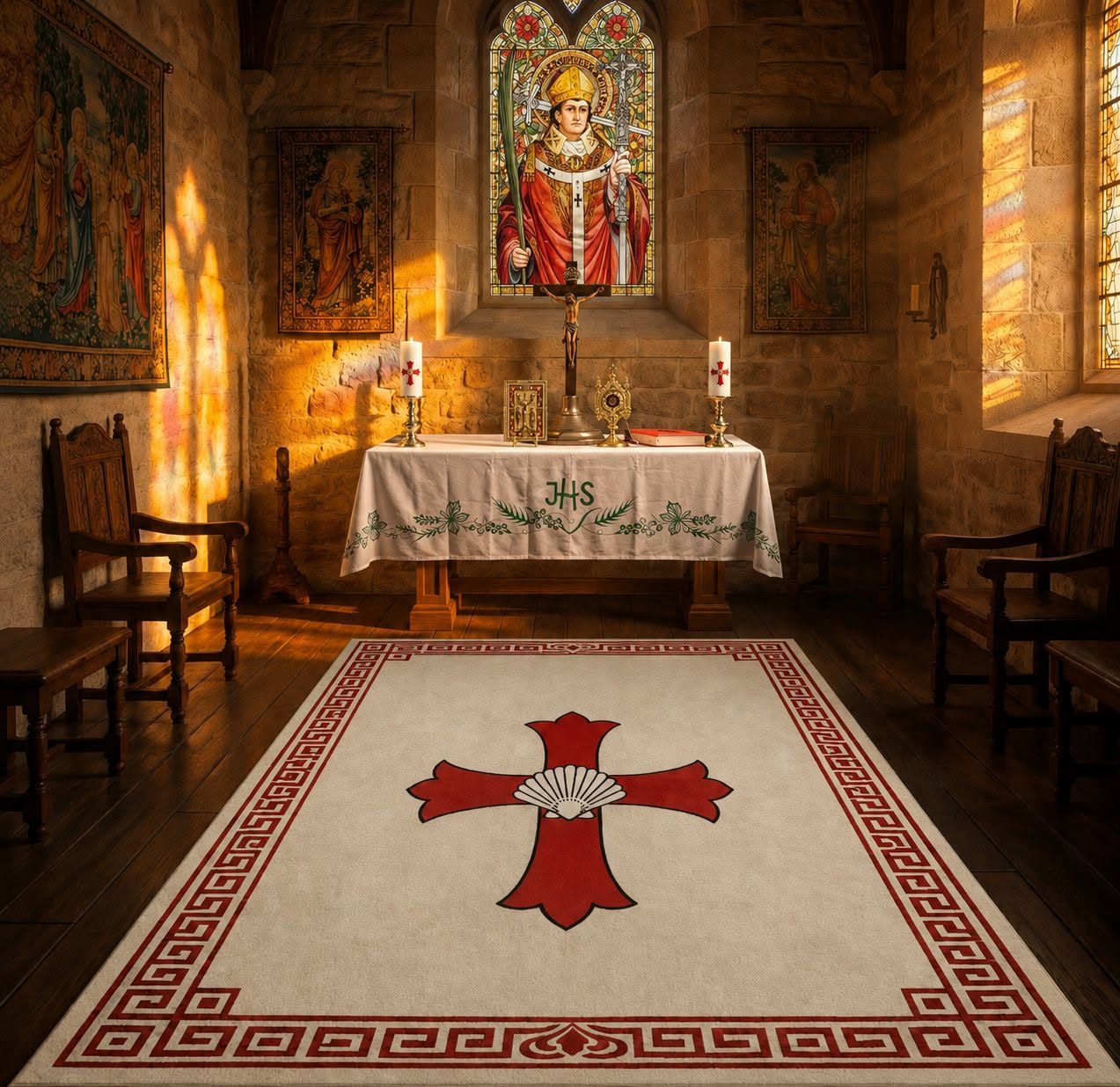
The Church and Chivalric Orders
Throughout history, chivalric orders have maintained a close and enduring relationship with the church. From the medieval period to the present day, the spiritual life of knights has been deeply connected with Christian faith, religious devotion and the service of others. For many chivalric orders, the church was not simply a place of worship, but the spiritual foundation upon which their mission, values and traditions were built.
The connection between a chivalric order and the church reflects a centuries-old tradition in which faith and service were closely intertwined. Knights were expected not only to demonstrate courage on the battlefield, but also to live according to principles of honour, charity, humility and devotion.
The Medieval Origins of Chivalric Orders
The relationship between the church and chivalry became particularly significant during the Middle Ages. As Christian Europe developed, religious institutions played an important role in shaping the moral and spiritual ideals of society. The concept of the Christian knight emerged as an ideal in which military courage was combined with religious responsibility.
Many medieval chivalric orders were founded during the Crusades. Their members were often expected to defend Christian territories, protect pilgrims and care for the sick and the poor. These responsibilities gave the orders a dual identity: they were both religious communities and institutions of chivalry.
The church provided the spiritual framework for this way of life. Knights often took religious vows and followed rules that governed not only their conduct in battle, but also their daily lives. Prayer, worship, discipline and charity became essential parts of their existence.
A Shared Mission of Service
One of the strongest links between a chivalric order and the church is the principle of service.
Christian teaching places great importance on helping those in need. Medieval religious and military orders embraced this principle in different ways. Some established hospitals and cared for pilgrims, while others supported churches, monasteries and charitable institutions.
The idea of service was central to the identity of many knights. A true knight was expected to use his position and strength to protect the vulnerable rather than to pursue personal power alone.
This tradition continues to influence modern chivalric organisations. Although the battlefield has disappeared from the life of most contemporary orders, the ideals of charity, fellowship and service remain important.
The Church as a Spiritual Home
For many chivalric orders, the church has always represented a spiritual home.Ceremonies connected with an order may take place in a church or chapel, where members gather for prayer, worship and important occasions. Investitures, commemorations and memorial services can all reflect the close relationship between the order and its Christian heritage.
The church also provides a place where members can reflect on the responsibilities associated with belonging to a chivalric tradition. The wearing of ceremonial robes, the use of historic symbols and the observance of religious services can help preserve a sense of continuity between past and present.In this context, the church is more than a historic setting. It represents a living connection with the faith that inspired many chivalric traditions in the first place.
Knights, Faith and Personal Conduct
The traditional image of a knight is often associated with a sword, armour and a horse. Yet the ideals of chivalry were never limited to military skill.
A knight was expected to demonstrate personal virtues such as courage, loyalty, honesty and compassion. These principles were strongly influenced by Christian teaching and the moral expectations of medieval society.
The close relationship between the knight and the church therefore extended into everyday conduct. Faith was intended to influence how a knight treated friends and enemies, how he responded to suffering and how he used his position within society.
The ideal of chivalry encouraged knights to understand that honour was not simply something to be displayed publicly. It was a responsibility that had to be demonstrated through actions.
Churches, Chapels and Chivalric Tradition
Throughout Europe and the wider Christian world, churches and chapels became closely associated with chivalric orders.
Some orders established their own places of worship, while others developed strong relationships with existing churches and religious communities. These sacred spaces became places where members could pray, remember those who had gone before them and celebrate the spiritual traditions of their order.
The architecture and art associated with these places often preserve important historical evidence. Heraldic symbols, memorials, tombs and inscriptions can reveal the presence and influence of chivalric organisations over centuries.
For historians, the connection between an order and a church can therefore provide valuable insight into the religious, cultural and social history of a particular period.
The Tradition Continues Today
Modern chivalric orders may no longer have the same military responsibilities as their medieval predecessors, but their relationship with the church remains meaningful.
Today, many organisations inspired by the traditions of chivalry continue to emphasise Christian values, charity and service to others. Members may attend religious ceremonies, support charitable initiatives and participate in events that honour the history of their order.
The modern knight is therefore often defined less by military activity and more by commitment to principles.
The sword may have become a ceremonial symbol, but the values behind it can still represent courage, responsibility and the defence of what is good. The cloak may be worn during formal ceremonies, but it can also symbolise a commitment to humility and service.
A Relationship Built on Faith and Service
The historic relationship between a chivalric order and the church is ultimately a relationship built on shared values.For centuries, the church provided spiritual guidance to knights and religious orders, while chivalric institutions sought to put Christian ideals into practice through service, protection and charity.
Although the world has changed dramatically since the Middle Ages, this connection continues to inspire those who value the traditions of Christian chivalry. The enduring bond between the church and chivalric orders reminds us that true honour is not found in titles or symbols alone, but in the willingness to serve others and preserve values for future generations.
In a modern world that often moves quickly, the traditions of chivalry offer a reminder of the importance of faith, duty, compassion and responsibility. Through their continued relationship with the church, chivalric orders can help keep these ideals alive while ensuring that the lessons of history are not forgotten.