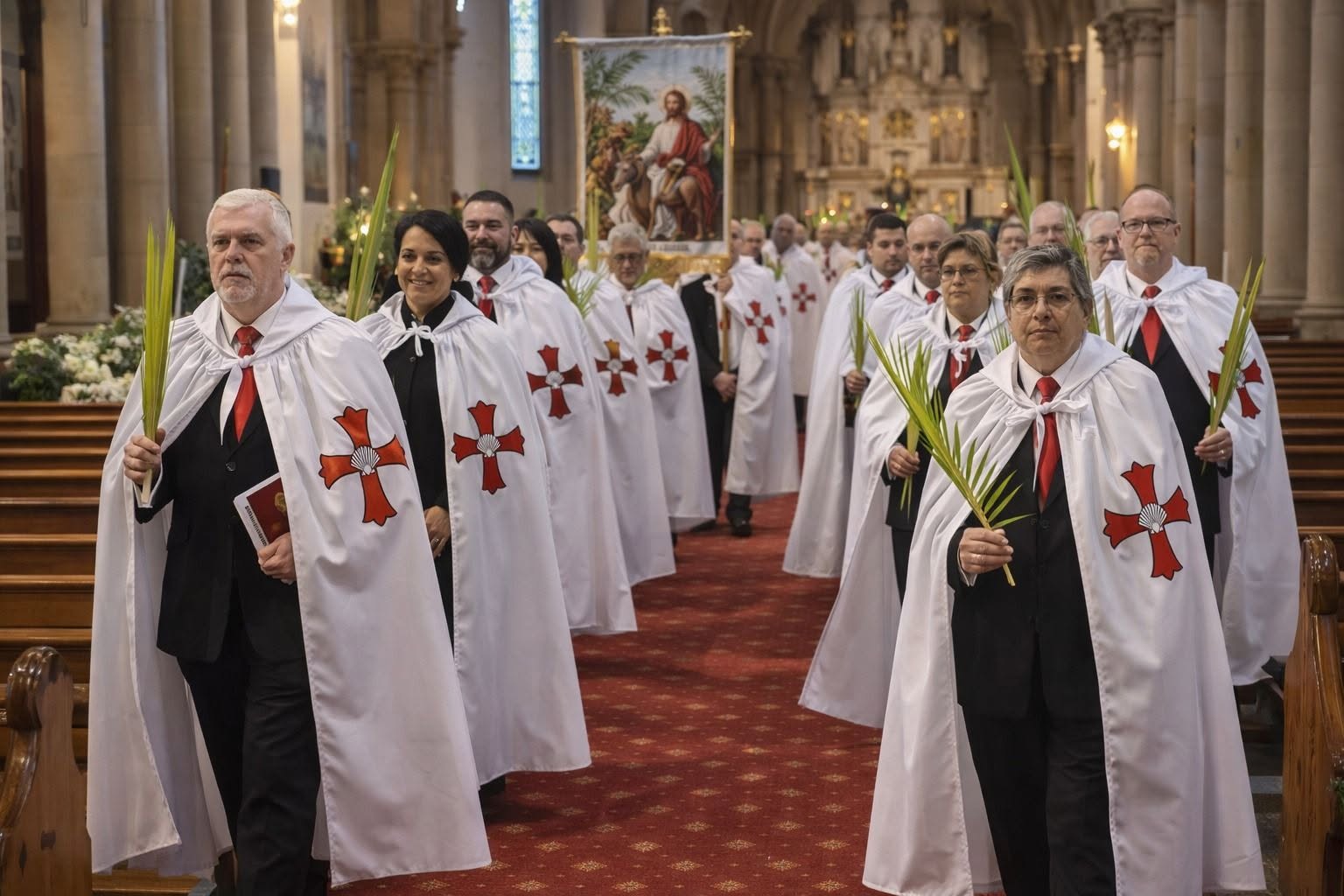
Chivalry: From Medieval Battlefields to Modern Society
Chivalry is one of the most enduring concepts to emerge from the Middle Ages. Often associated with noble knights, honour, courage and respect, chivalry has evolved far beyond its medieval origins. While many people think of shining armour and heroic deeds, the true history is far richer and more complex. Over the centuries, it transformed from a military code into a broader philosophy that continues to shape manners, leadership and ethical behaviour today.
The Origins
The word chivalry derives from the Old French chevalerie, meaning "horsemanship" or "mounted soldier", which itself originates from the word cheval, meaning horse. During the early Middle Ages, owning and maintaining a warhorse required considerable wealth, making mounted warriors members of an elite military class.
Between the 9th and 11th centuries, European kingdoms increasingly relied on heavily armoured cavalry. As these mounted warriors gained influence, society began to expect them to uphold standards beyond military excellence. Gradually, these expectations developed into the principles that would become known as chivalry.
Chivalry in the High Middle Ages
The concept flourished during the 12th and 13th centuries. It combined military discipline, Christian morality and aristocratic values into a code of conduct that guided the lives of knights.
The central ideals included:
- Loyalty to one's lord and kingdom
- Courage in battle
- Protection of the weak and vulnerable
- Honour and personal integrity
- Generosity and charity
- Courtesy towards others
- Respect for women
- Faithfulness to Christian beliefs
These principles were celebrated in literature, poetry and historical chronicles, creating the romantic image of the knight that remains popular today.
The Influence of Literature
Medieval literature played a significant role in shaping public perceptions. Stories about legendary heroes elevated knights into symbols of moral excellence rather than simply skilled warriors.
The legends of King Arthur and the Knights of the Round Table became some of the most influential examples. Characters such as Sir Lancelot, Sir Gawain and Sir Galahad embodied various aspects of chivalry, including bravery, loyalty, sacrifice and compassion.
These stories helped establish an ideal that many nobles aspired to, even if reality often fell short of the romantic image.
The Ceremony of Knighthood
Becoming a knight involved more than military training. Young noble boys typically began as pages before advancing to squires, where they learned weaponry, horsemanship, etiquette and religious instruction.
When judged worthy, they participated in a formal dubbing ceremony. During this event, they swore oaths reflecting the principles of knighthood, promising to defend justice, protect the innocent and serve faithfully.
The ceremony reinforced the idea that knighthood carried moral responsibilities alongside military duties.
The Reality Behind Medieval Chivalry
Although chivalry presented an inspiring ideal, medieval warfare was often brutal. Many knights failed to live according to the standards expected of them. Political ambition, personal rivalries and the realities of war frequently conflicted with the noble image portrayed in literature.
Nevertheless, the code remained influential because it established aspirational standards for behaviour. Even when imperfectly followed, it encouraged rulers and warriors to value honour, restraint and responsibility.
The Decline of Medieval Chivalry
From the 14th century onwards, several developments reduced the military importance of knights. The introduction of longbows, pikes and eventually firearms changed the nature of warfare. Professional standing armies gradually replaced feudal military service.
At the same time, social and political changes weakened the traditional role of the knightly class. Although medieval chivalry declined as a military institution, its moral ideals survived.
Chivalry in the Renaissance and Beyond
During the Renaissance, chivalry shifted from battlefield conduct towards gentlemanly behaviour. Nobility increasingly focused on education, diplomacy and refined manners rather than martial prowess.
By the Victorian era, chivalry had become closely associated with courtesy, respect, generosity and proper conduct. Literature, art and education continued to celebrate the virtues of honourable behaviour, even though the medieval world had long disappeared.
Modern Times
Today, chivalry no longer refers exclusively to knights or warfare. Instead, it represents a broader commitment to treating others with dignity, kindness and respect.Modern interpretations of chivalry may include:
- Demonstrating honesty and integrity
- Showing respect regardless of social status
- Taking responsibility for one's actions
- Helping those in need
- Acting with courage during difficult situations
- Displaying good manners and consideration
Contemporary discussions sometimes debate whether certain traditional expressions, particularly those relating to gender roles, remain appropriate. Many people now view chivalry not as a set of obligations towards women alone, but as a universal code of respectful behaviour applicable to everyone.
Why Still Matters
Despite originating nearly a thousand years ago, chivalry continues to resonate because its core values remain relevant. Integrity, courage, compassion and respect are qualities admired across cultures and professions.In business, leadership, education and everyday life, many of the principles associated with chivalry continue to inspire ethical decision-making and positive relationships. While modern society no longer depends on mounted knights, the ideals that defined them still offer valuable guidance.
Conclusion
The story of chivalry is one of continual evolution. What began as a practical code for medieval mounted warriors gradually developed into a lasting ethical tradition that has influenced literature, law, etiquette and modern concepts of honour.
Although the armour and castles of the Middle Ages belong to history, the values at the heart of chivalry — honour, courage, loyalty and respect — remain as meaningful today as they were centuries ago. Understanding the evolution of chivalry provides valuable insight into both medieval civilisation and the enduring importance of ethical conduct in the modern world.